Best Portable Basketball Hoops: How to Choose One for Your Driveway
How to choose a portable basketball hoop for the driveway: backboard, base fill, overhang and height, with picks for little kids, teens and adults.
By Marlon Forde12 min read
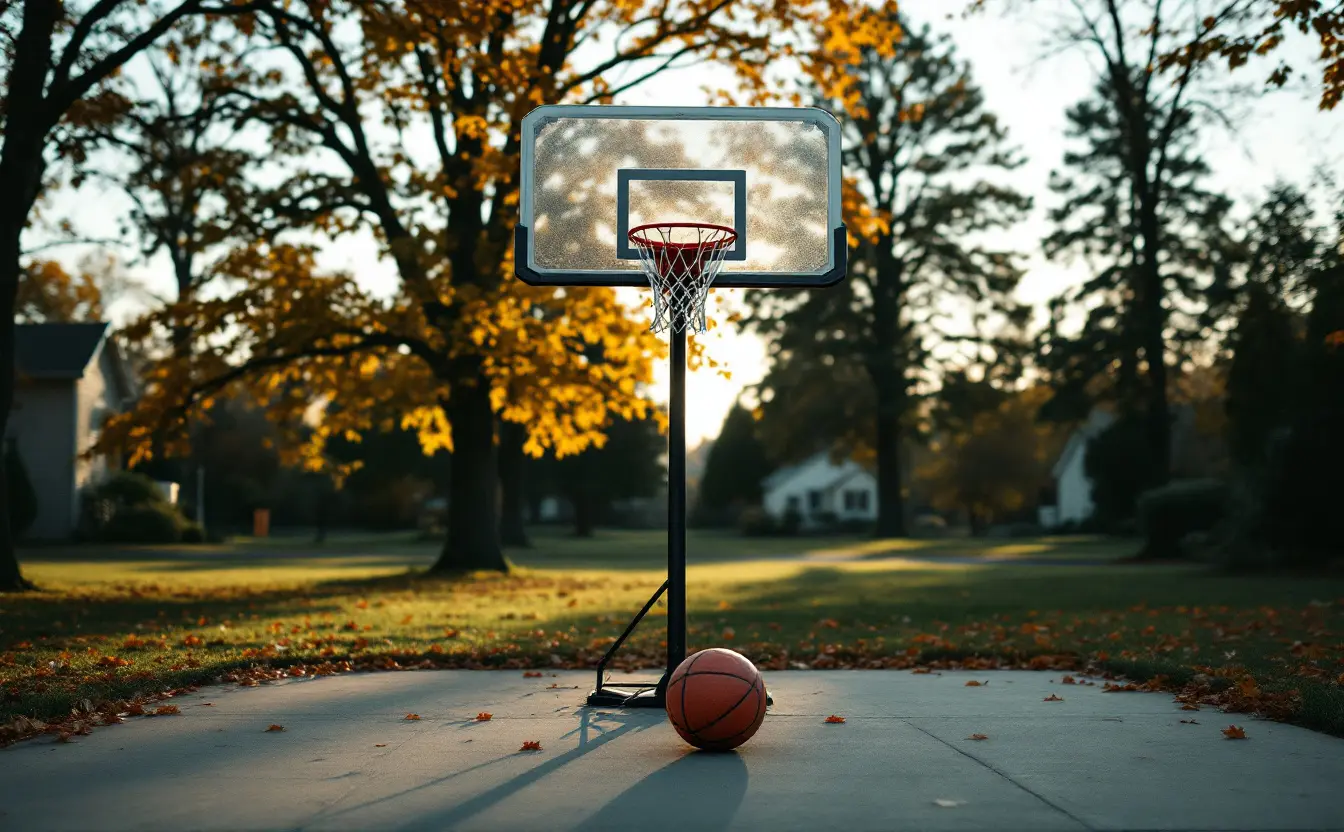
The first rim I shot on every day was bolted to a sheet of painted plywood above a garage door in Ontario. It leaned toward the street after its first winter and sent every bank shot somewhere new.
Starting five the picks at a glance
Top pick
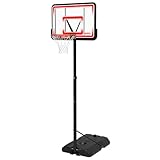
Lifetime Portable Basketball Hoop (44 in)
Price on Amazon, checked Oct 22, 2026, 12:28 PM ET: $209.22
Check price on Amazon
Budget pick
Lifetime Youth Portable Hoop (32 in)
Price on Amazon, checked Oct 22, 2026, 12:28 PM ET: $99.99
Check price on Amazon
Upgrade pick
Silverback NXT Portable Hoop (54 in)
Price on Amazon, checked Oct 22, 2026, 12:28 PM ET: $549.95
Check price on Amazon
- 04Lifetime NBA League Edition Portable HoopCheck price
- 05Silverback Junior 33 in Pole-Mount HoopCheck price
Product prices and availability are accurate as of the date/time indicated and are subject to change.
A portable basketball hoop fixes most of what was wrong with that setup: a weighted base on wheels, a real backboard, and a rim that moves up and down as the kids grow. This guide is for parents buying a first driveway hoop, teenagers who have outgrown the one in the garage, and adults who want somewhere to shoot after work. It covers how to choose, three picks for different players, and the setup and safety details that matter more than the logo on the box.
How to choose a basketball hoop, quickly
Before you compare models, decide what kind of basketball hoop your driveway can take. There are three.
| Type | How it stands | Best for | Trade-off |
|---|---|---|---|
| Portable | A hollow base filled with water or sand, usually on wheels | Most driveways, renters, families who might move | Some shake, and the base sits behind the play area |
| In-ground | A steel pole set in concrete | The steadiest, most gym-like feel | Permanent, and installing one means digging and pouring concrete |
| Wall or roof mount | A bracket on a garage wall or roofline | Short driveways with no room for a base | Only as solid as the wall it is bolted to, and hard to move later |
A portable is the right call for most households and the subject of this guide. Once you have settled on one, check six things:
- Height range. It should reach 8, 9 and 10 ft to last through the youth years.
- Backboard size and material.
- Overhang, the gap between the pole and the backboard.
- The base, and how you will fill it before January.
- How the height adjusts.
- Assembly. Count on two adults and most of an afternoon.
Top pick
Lifetime Portable Basketball Hoop (44 in)
A wheeled driveway hoop with a telescoping pole and a shatterproof backboard, sized for teens and adults.
- 7.5 to 10 ft in 6 in steps
- 44 × 30 in backboard
- Wheeled base
Budget pick
Lifetime Youth Portable Hoop (32 in)
A smaller portable hoop for younger kids, with a lower height range that matches the youth guidelines.
- 5.5 to 7.5 ft
- 32 in backboard
- Wheeled base
Upgrade pick
Silverback NXT Portable Hoop (54 in)
A heavier portable system with a big backboard and a steel frame that keeps the pole steady when the rim gets hit.
- 7.5 to 10 ft
- 54 in backboard
- 26 in overhang
Also good
- Lifetime NBA League Edition Portable Hoop: The same 44 inch Lifetime layout with a polycarbonate board and NBA graphics. Check price on Amazon
- Silverback Junior 33 in Pole-Mount Hoop: A youth backboard and rim that clamps onto an existing pole instead of standing on its own base. Check price on Amazon
Best for most driveways: Lifetime 44 inch portable
This is the hoop for families with kids from about 7 up through adults. The telescoping pole runs from 7.5 to 10 ft in 6 in steps, so it lands exactly on the three heights the youth guidelines use: 8, 9 and 10 ft. One hoop can follow a child from a first season of house league to high school ball.
See the Lifetime Portable Basketball Hoop (44 in) on Amazon
The shatterproof board measures 44 by 30 in, enough for honest bank shots from the blocks, and the base rolls on wheels once you tip the system back.
The trade-offs come with the size. A 44 in board is much smaller than the 72 in glass in a gym, so wide-angle bank shots run out of backboard sooner. A telescoping pole changes height by sliding one section inside another and locking it, which takes a minute and often a second person, so it suits households that set the height for a season rather than every afternoon. And like most portables with a sectioned pole, expect some shake after a hard rebound.
Best for younger kids: Lifetime 32 inch youth hoop
The smaller pick is a youth basketball hoop in the true sense: 5.5 to 7.5 ft, a 32 in backboard and a wheeled base. That puts the rim where a preschooler can actually score with a small ball, and a kid who makes shots keeps shooting.
The catch is the top of the range. At 7.5 ft it stops short of the 8 ft rim the guidelines set for 7 and 8 year olds, so it is a hoop for the years before organized basketball. A smaller system is lighter work to fill, move and store, and it can be handed down. If your oldest is already 6 or 7, get the 44 inch model and lower it.
The upgrade: Silverback NXT 54 inch
The upgrade is for a teenager who plays on a team, or adults who want the driveway closer to a gym floor. It is a heavier system with a 54 in backboard and a steel frame that keeps the pole steadier when the rim gets hit, and it adjusts from 7.5 to 10 ft.
See the Silverback NXT Portable Hoop (54 in) on Amazon
The number that sets it apart is the 26 in overhang: real room under the basket for layups, putbacks and the drop step a young post player is learning. The guide to basketball positions explains what each spot asks of a player around the rim, and most of it needs space under the board to practise.
What you give up is convenience. A bigger board on a heavier frame means more weight up high, more for the wind to push, and more work at assembly and whenever it moves. Plan on it staying put.
Also good
The Lifetime NBA League Edition is the main pick's layout dressed for a fan: the same 44 inch setup and 7.5 to 10 ft range, with a polycarbonate board and NBA graphics. If the graphics mean nothing to anyone in the house, the standard version plays the same.
The Silverback Junior is not a portable at all. It is a 33 in youth backboard with a breakaway rim that clamps onto an existing pole 3 to 6 in thick, the answer when you have inherited a sturdy in-ground pole with a sun-faded board. Measure the pole, check that it is solid where it meets the ground, and remember that the rim height depends on where you mount the bracket.
If you would rather see a backboard's size in person before you buy, DICK'S Sporting Goods sells portable hoops in many of its stores as well as online.
Backboard materials, from plastic to glass
Four materials show up on home hoops, and they line up roughly with how a board plays.
- Polyethylene. Moulded plastic on youth and entry-level systems. Tough and light, but the ball comes off it dead.
- Polycarbonate. Clear, very hard to break, the usual shatterproof board. Livelier than plastic, though it can haze or yellow after years of strong sun.
- Acrylic. Clearer and stiffer than polycarbonate, so rebounds come off truer, but it can crack from a hard impact.
- Tempered glass. What gyms use, with the most consistent rebound. Heavy, so it mostly appears on in-ground systems.
Size matters as much as material. A regulation board is 72 by 42 in; portable boards commonly run from about 30 to 60 in wide. Every extra inch gives more glass for bank shots and truer angles off a miss, at the cost of weight up top and more for a gust to catch.
Overhang, the number most people skip
Overhang is the horizontal distance from the front of the pole to the face of the backboard. On a regulation court the backboard sits 4 ft in from the baseline, so players can drive under it and land without hitting anything. On a portable the pole and base sit behind the board, and a short overhang means a hard layup can end against the pole.
For small kids it barely matters. For teens and adults it matters a lot, because nearly every move near the rim finishes under the basket. If you plan to paint lines on the driveway, the basketball court dimensions tool has every measurement: the free throw line is 15 ft from the face of the backboard, or 14 ft for players aged 7 to 11.
Base fill: water, sand and winter
The base is the only thing holding a portable hoop up, so fill it all the way. Filled, a full-size base usually weighs a few hundred pounds, which is why you move it by tipping the system back onto its wheels.
Water is easy: a garden hose fills it and you can drain it to move. Check the level a few times a season, since a loose cap lets it leak or evaporate. And water freezes. Anyone who has lived through a Canadian February knows what ice does in a closed plastic tank: it expands, and a split base leaks, loses its weight and stops doing its job.
Sand is heavier for the same volume, so the hoop stands steadier, and it will not freeze. It is slow to pour through a small fill hole (dry play sand and a funnel help) and very hard to get out, so a sand-filled hoop is close to permanent. Some owners pour sand in first and top up with water.
With water where the ground freezes, either drain it before the first hard frost or add non-toxic antifreeze if the manual allows it. Do what the manual says: a base that splits in January is still split in April.
Height adjustment, and the right rim for each age
The rim on an adjustable basketball hoop should follow the child. The USA Basketball and NBA Youth Guidelines put it at 8 ft for ages 7 and 8, 9 ft for 9 to 11, and 10 ft from 12, and the basketball size by age tool matches each age to its rim, ball and court.
The reason is form. A child heaving a full-size ball at a 10 ft rim pushes it from the chest, and that motion sticks for years. At the right height the elbow stays under the ball and the follow-through finishes high. Chart enough youth games and you can pick out the kids who learned on a rim that was too high: the ball starts down by the hip.
Telescoping poles lock with a pin or bolt, simple but usually a two-person job. Crank systems give fine control and are slower. Lever systems with spring assistance change height in seconds, handy when several ages share one hoop. Whatever the system, measure from the ground directly under the rim to the top of the rim, because pole markings assume flat ground. For toddlers and indoor play, the mini basketball hoops guide covers door hoops and small freestanding sets.
Where to put a portable basketball hoop
Most driveways slope toward the street, often more than you notice until a loose ball starts rolling. Set the base on the flattest stretch you have: on a slope the pole leans, the rim tilts, and a leaning hoop tips more easily.
Face the board so misses run toward the garage or the lawn, not the road, and keep the play area off the street and sidewalk; some towns have by-laws about hoops on the road allowance. Then look up. Power lines, branches and eavestroughs need clearance, with the hoop standing or tipped back. And think about where the cars park, because a long rebound finds a windshield sooner or later.
Assembly: an afternoon and a second pair of hands
A full-size portable arrives in heavy boxes with a long manual. Read all of it before opening a bag, sort the bolts into a muffin tin, and set out a socket set, a couple of wrenches and a stepladder. Build it near where it will live, since a filled base is not going far. You need a second adult to raise the pole and hang the backboard. Block out most of an afternoon, and after the first week of play, go round with a wrench again: bolts settle, and a snug hoop shakes less.
Wind, storms and why nobody hangs on the rim
A backboard is a sail. Portable hoops can and do blow over, usually when the base is not full or the hoop stands on a slope. When strong wind is forecast, lower the rim to its lowest setting to drop the board out of the worst gusts and lower the centre of gravity. For a real storm, lay it down: with two people, tip it back the way the manual describes and rest it on the lawn, or roll it into the shelter of the house.
Never hang on the rim, and teach the kids early. A portable is balanced by the weight at the back of its base, and a player hanging off the front of the rim is on the far end of a long lever, enough to lift the base and bring the whole system down on top of them. Breakaway rims flex on a dunk and snap back; they are not built to hold a person. Even in the NBA, hanging on the rim is a technical foul unless a player does it to avoid an injury.
The ball matters too
Driveway concrete eats indoor balls. A composite or leather ball made for hardwood scuffs and frays outside within a season, so use an outdoor ball with a rubber cover and keep the good one for the gym. Size follows the same guideline as the rim: size 5 for ages 7 and 8, size 6 from 9 to 11 and for girls and women from 12, size 7 for boys from 12 and men. The outdoor ball below comes in sizes from mini to 7, so one model can cover a whole family.

Wilson NBA DRV Outdoor Basketball
A rubber outdoor ball made for driveways and park courts, sold from mini up to size 7.
- Outdoor cover
- Sizes from mini to 7
Price on Amazon, checked Oct 22, 2026, 12:28 PM ET: $9.54
Check price on AmazonProduct prices and availability are accurate as of the date/time indicated and are subject to change.
How we chose
We have not set these hoops up or played on them. We chose from the makers' published specifications (height range, adjustment steps, backboard size and material, overhang where it is stated), the problems owners raise most often about portable hoops as a group (shake, leaking bases, long assembly), and what years of playing on driveway rims and gym floors teaches. We favoured hoops whose range lands on 8, 9 and 10 ft, so one purchase lasts through the youth years, and left out any claim we could not check.
FAQ
Is a basketball goal the same as a basketball hoop?
Yes. Basketball goal is another name for the whole system of pole, backboard and rim, heard more in some parts of the US. Retailers use both, so search both when you compare.
How heavy is a portable basketball hoop base when filled?
Usually a few hundred pounds for a full-size base, more with sand than with water. That weight keeps the hoop up, so fill it completely.
Should I fill a basketball hoop base with sand or water?
Water is easier to fill and drain, as long as you plan for winter. Sand is heavier, steadier and safe from freezing, but slow to pour in and hard to empty. Follow the maker's manual on both, especially on antifreeze.
What height should a youth basketball hoop be?
The youth guidelines use 8 ft for ages 7 and 8, 9 ft for 9 to 11, and 10 ft from 12. Preschoolers do better with a rim around 6 ft and a small ball, which is where a youth portable earns its place.
Can a portable basketball hoop stay outside all winter?
Usually, if the base holds sand, or water that is drained or treated the way the manual says. Lower the rim before storms, keep the base clear of the windrow the plow leaves at the end of the driveway, and check the bolts and base when the snow melts.